ASI - Redesigning a Property Management Software for 7000+ Hotels
Modernizing a 26-year legacy Property Management System (PMS) to make daily hotel operations simpler, faster, and more efficient.
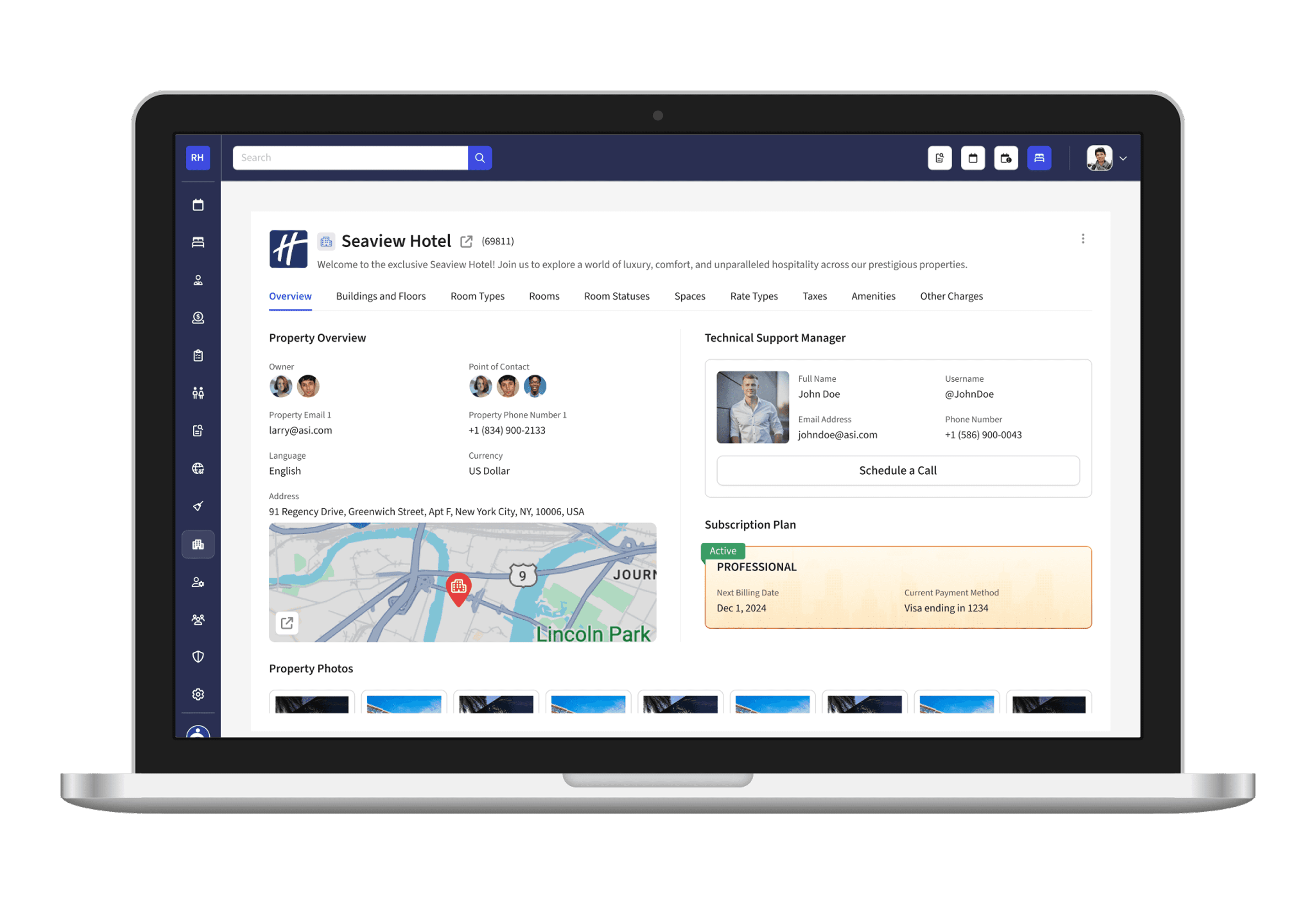
Tools
Figma, Figjam, Jira, Confluence
Deliverables
Responsive Web & Native Mobile
Team
Sole designer → team grew to 6
Year
May 2024 - Today
🌎 OVERVIEW
ASI is a property management software(PMS) serving over 7000+ hotels across the US.
Helps small to mid-size hotels with reservations, rates, housekeeping, policies etc.
It streamlines front and back-office operations to ensure an optimal guest experience.
The platform securely handles over 1 billion bookings annually.
🚧 CHALLENGE
Modernizing a legacy system to lead the PMS industry.
As a trusted provider for 26 years, ASI needed to evolve with a growing market.
With cloud-based platforms dominating a $1.62B market, the goal was to transform ASI into a cutting-edge, secure, and user-friendly SaaS platform.
📌 MY ROLE
As a Senior UX/UI Designer, I transformed the end-to-end redesign
I started as the sole designer and eventually scaled the design team to six members.
Drove faster decision-making by collaborating with stakeholders, PMs, and developers.
I led scoping and prioritization efforts to focus resources on high-impact work.
Enabled collaborative research and design practices.
🔍 Discovery
We conducted market analysis and user research using quantitative surveys and qualitative interviews
to understand our users needs.
📊 MARKET ANALYSIS INSIGHTS
Competitive research gave us a clear picture of key areas to improve and guide our strategy to enhance the existing system.
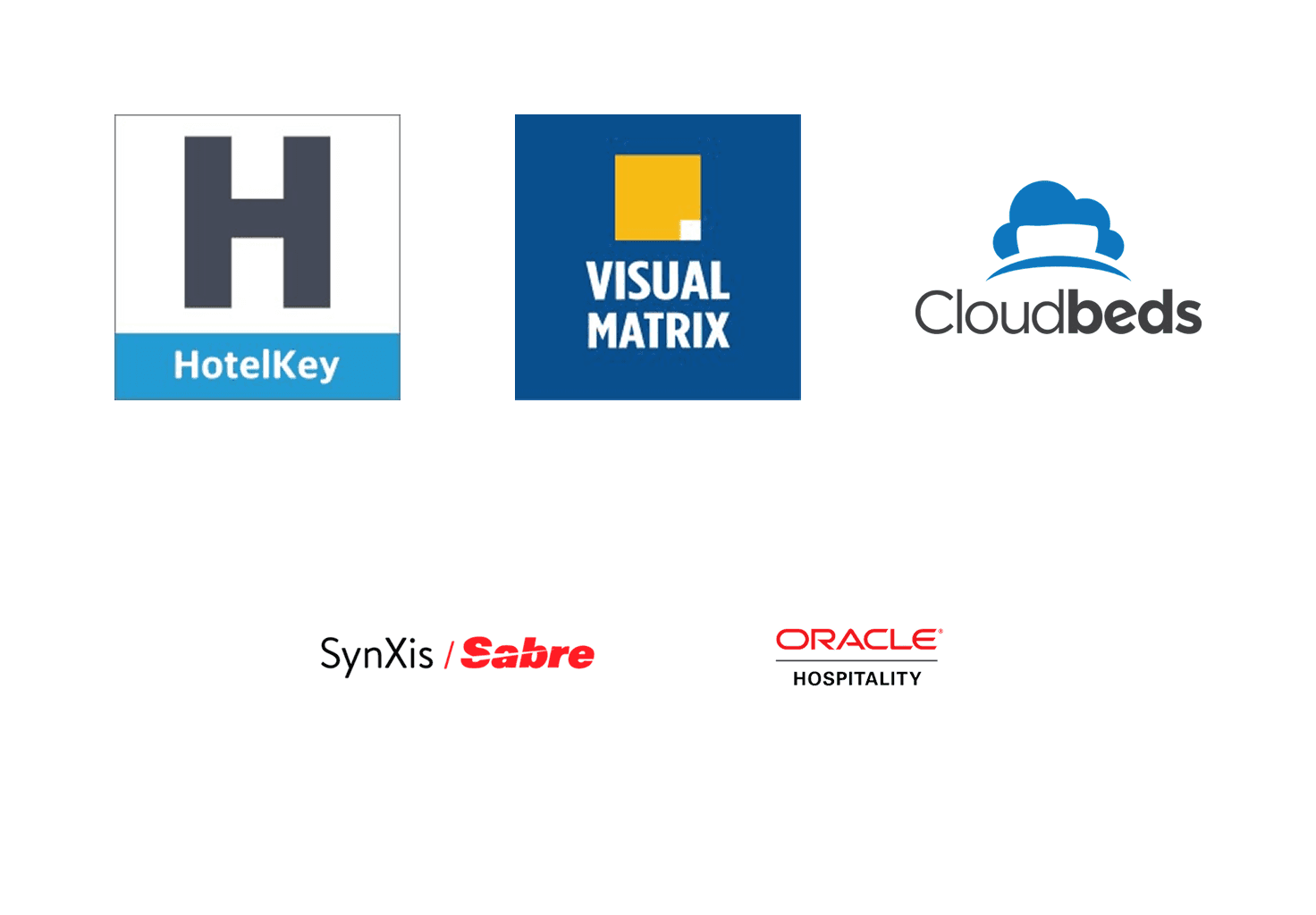
Integration Capabilities
Competitors provide extensive integrations with smart locks, mobile keys, loyalty programs, etc. simplifying hotel management and operations.
Mobile PMS
Few competitors offer mobile PMS for greater flexibility, allowing hotel owners to manage operations on the go.
Cloud-Based Deployment
All 5 competitors offers flexible, cloud-based solutions.
🧐 USER RESEARCH INSIGHTS
We conducted 18 qualitative interviews and quantitative surveys with 50 participants, gaining key insights into their pain points & needs.
🌀 Onboarding takes 1–2 months due to a complex and unintuitive interface.
⚙️ 78% of hoteliers manually adjust room rates, making the process time-consuming and inefficient.
😩 Only 15–20 out of 70+ reports are used, indicating poor discoverability and relevance in the PMS.
✎
Design Doing
We revamped 12 key experiences for hoteliers, including owners, managers, admins, and housekeeping, based on user pain points and competitive insights. We created iterative user flows, sketches, and high-fidelity designs for each experience.
🔁 OLD VERSION vs NEW VERSION
The legacy platform revealed critical usability and scalability issues. Addressing these pain points drove the redesign, delivering a faster, clearer, and more user-friendly experience.
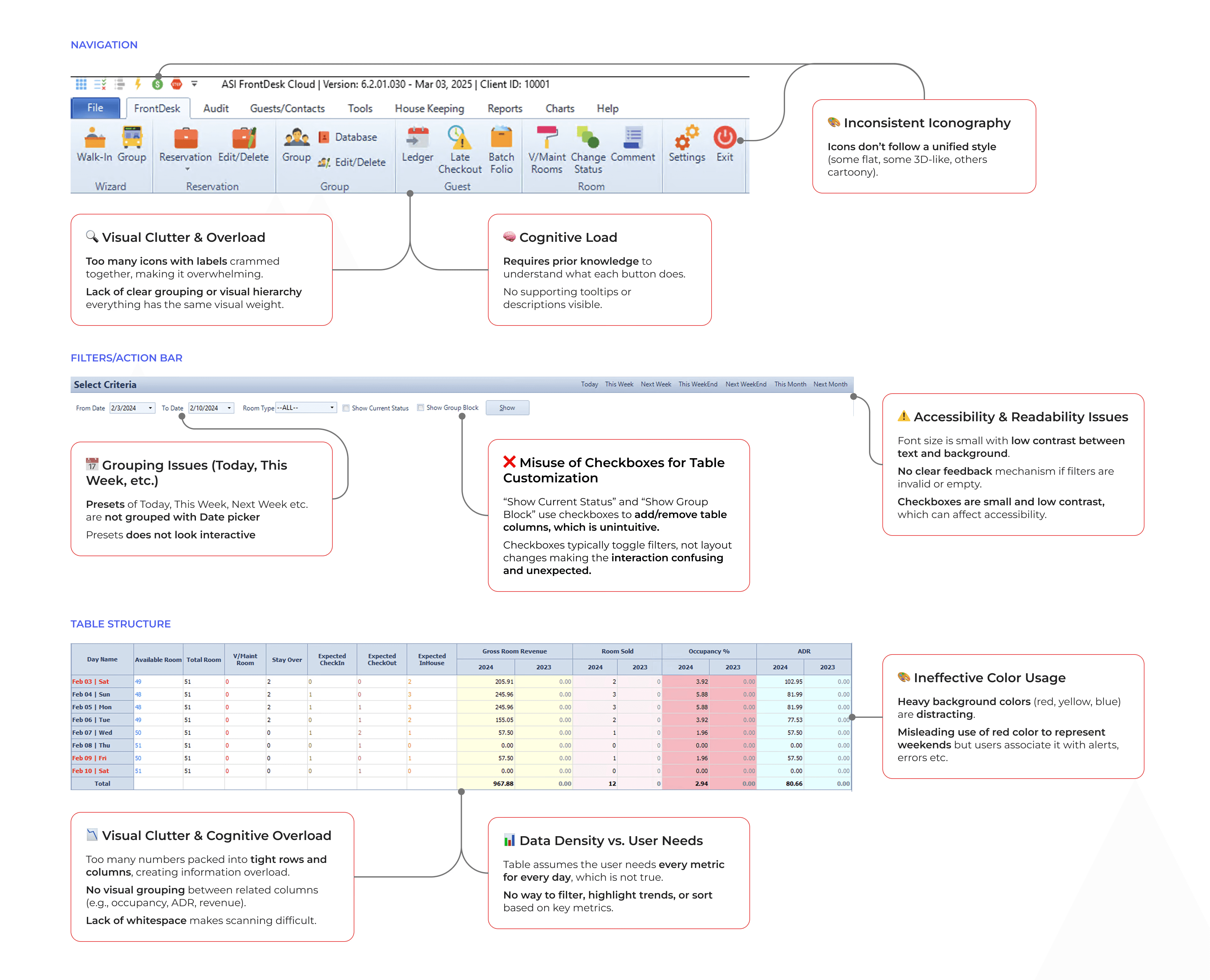
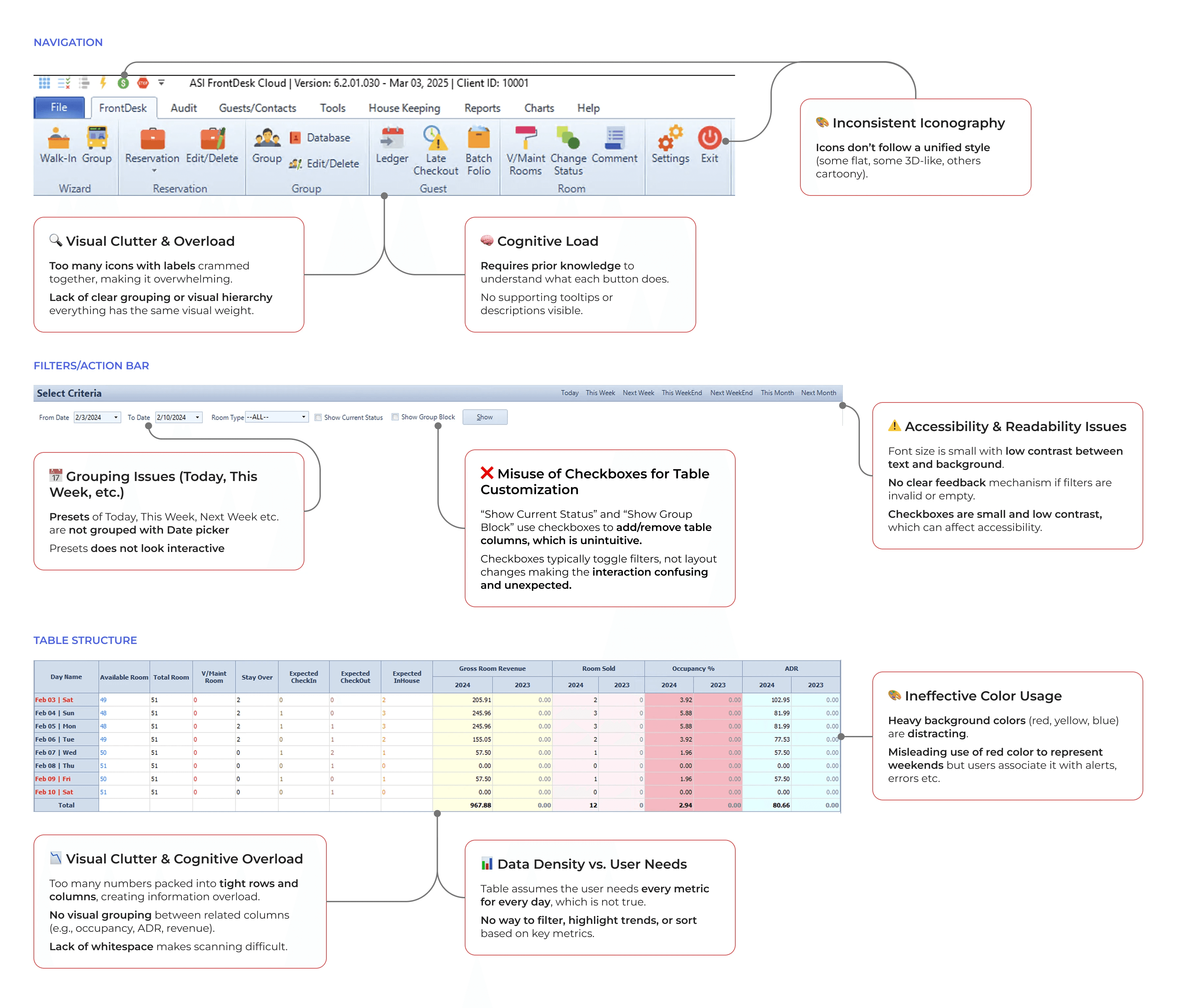
Fig 1.0: Few old version design patterns.
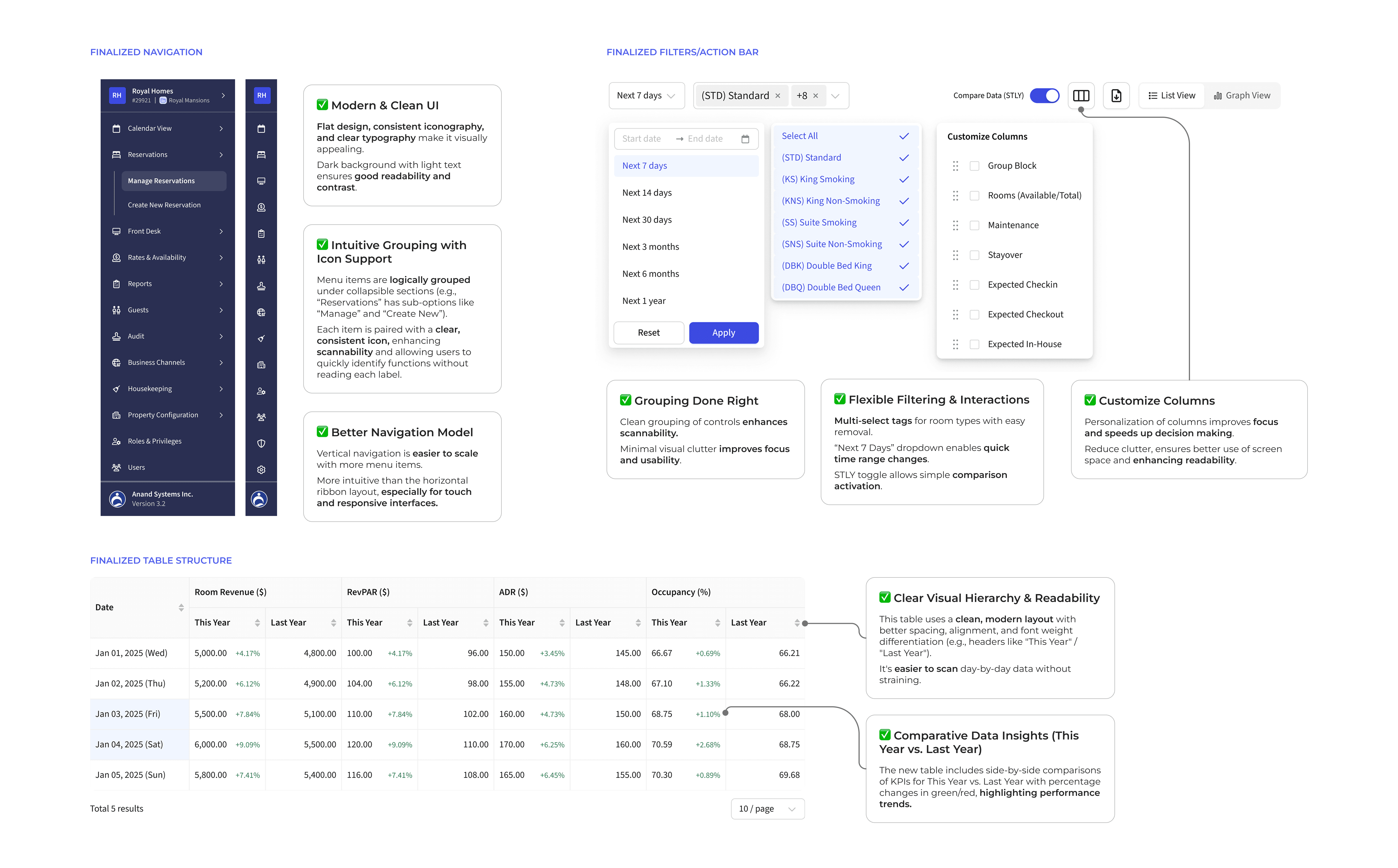
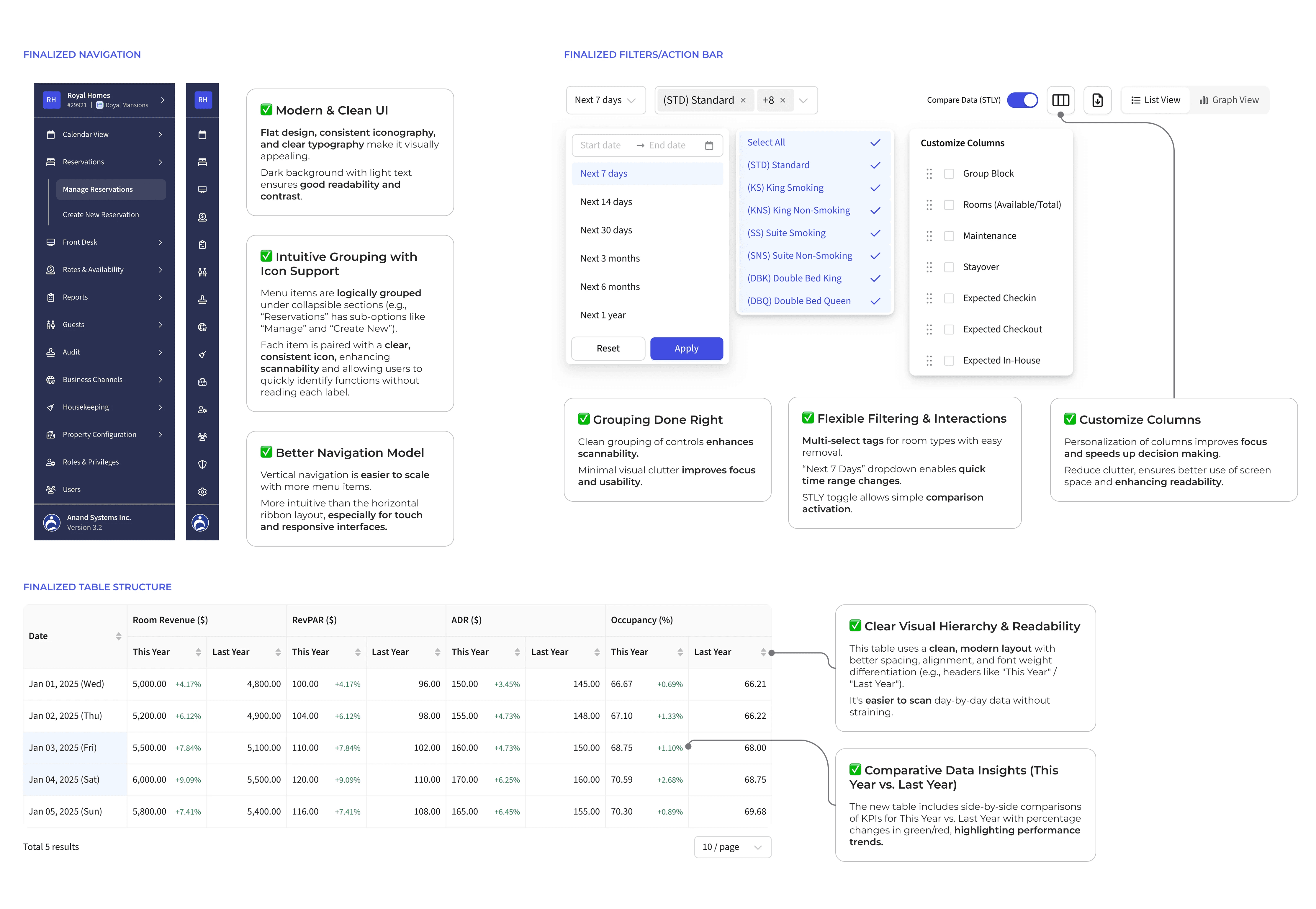
Fig 2.0: Applying research insights and created new version.
🎨 VISUALS
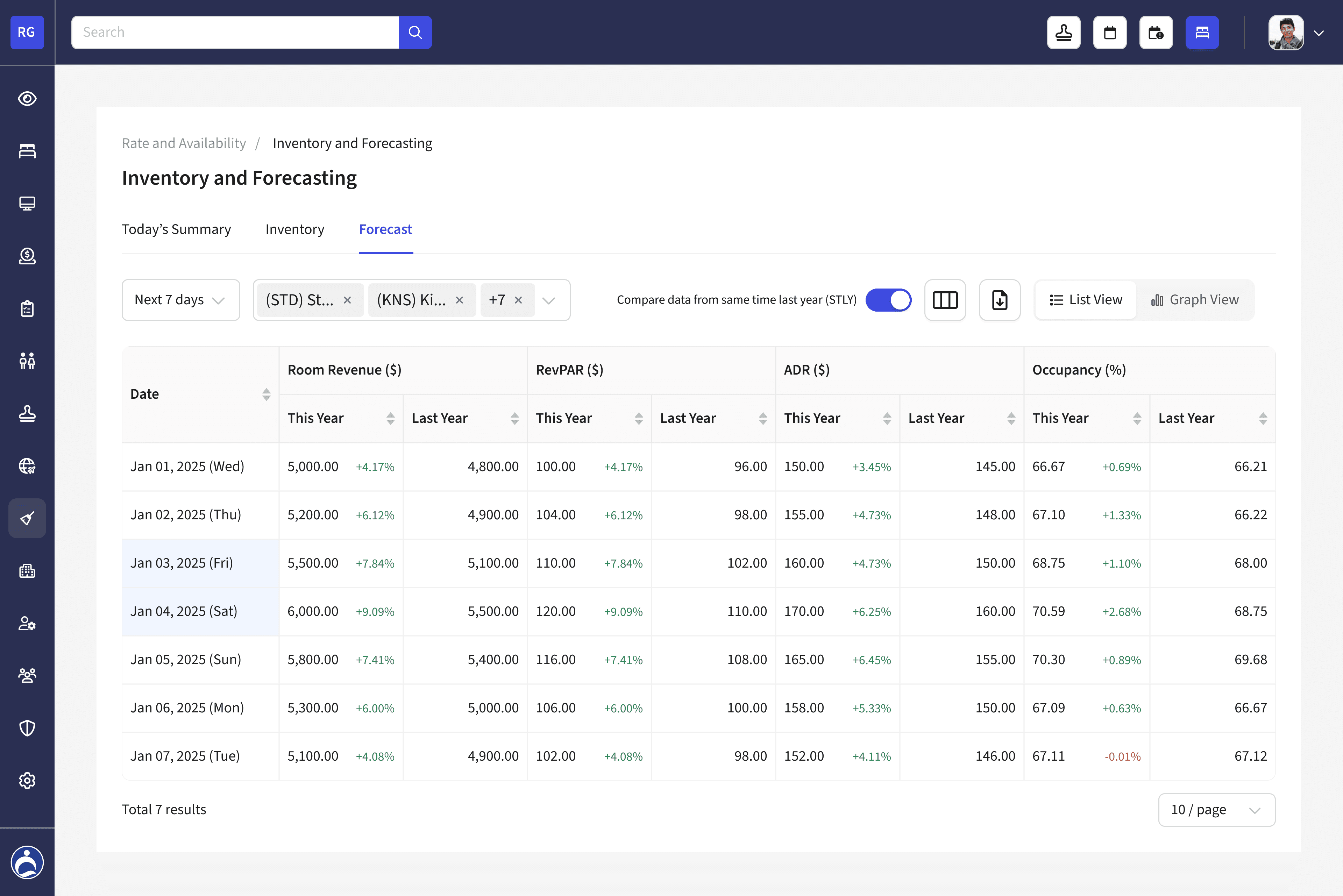
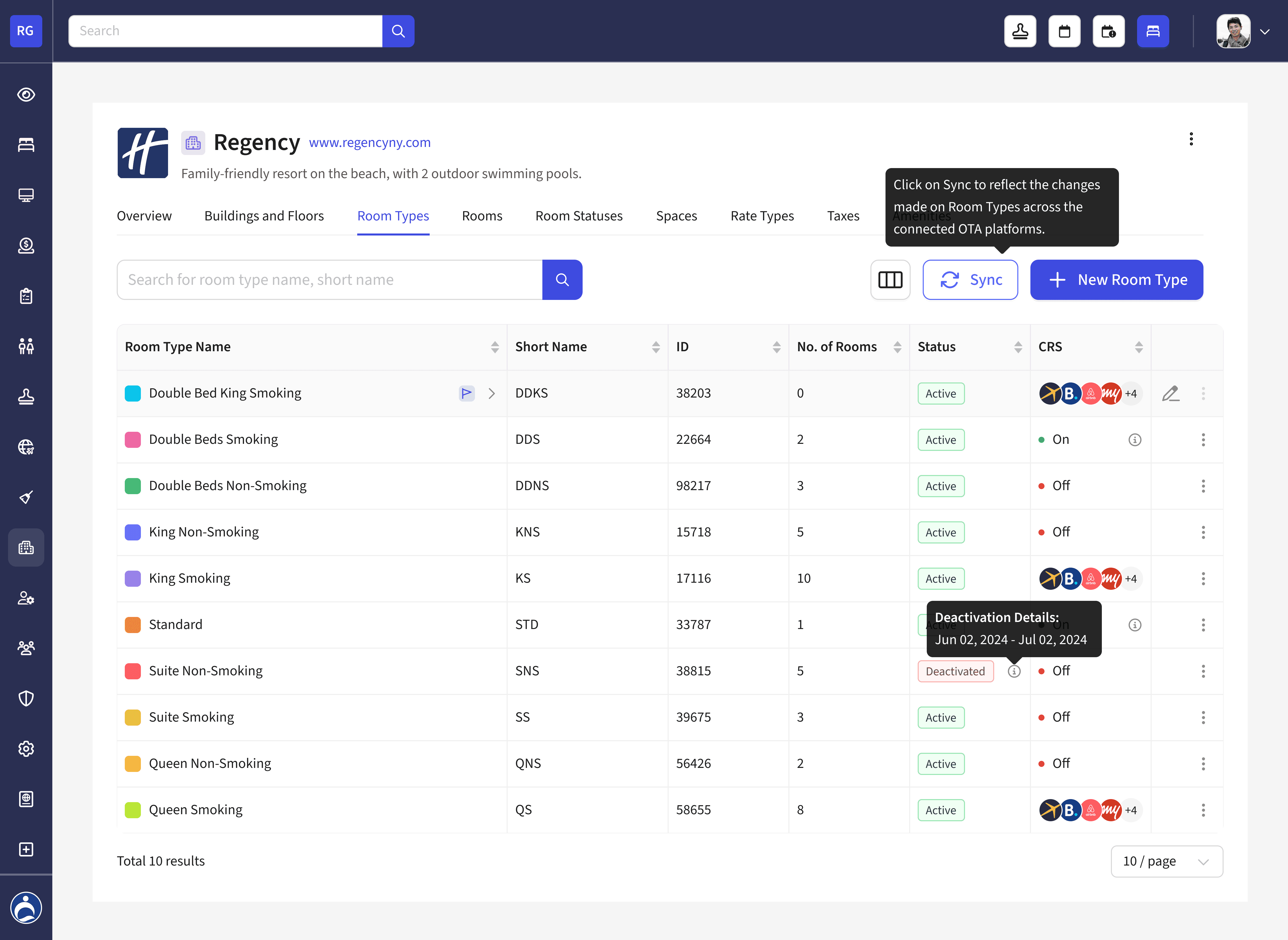
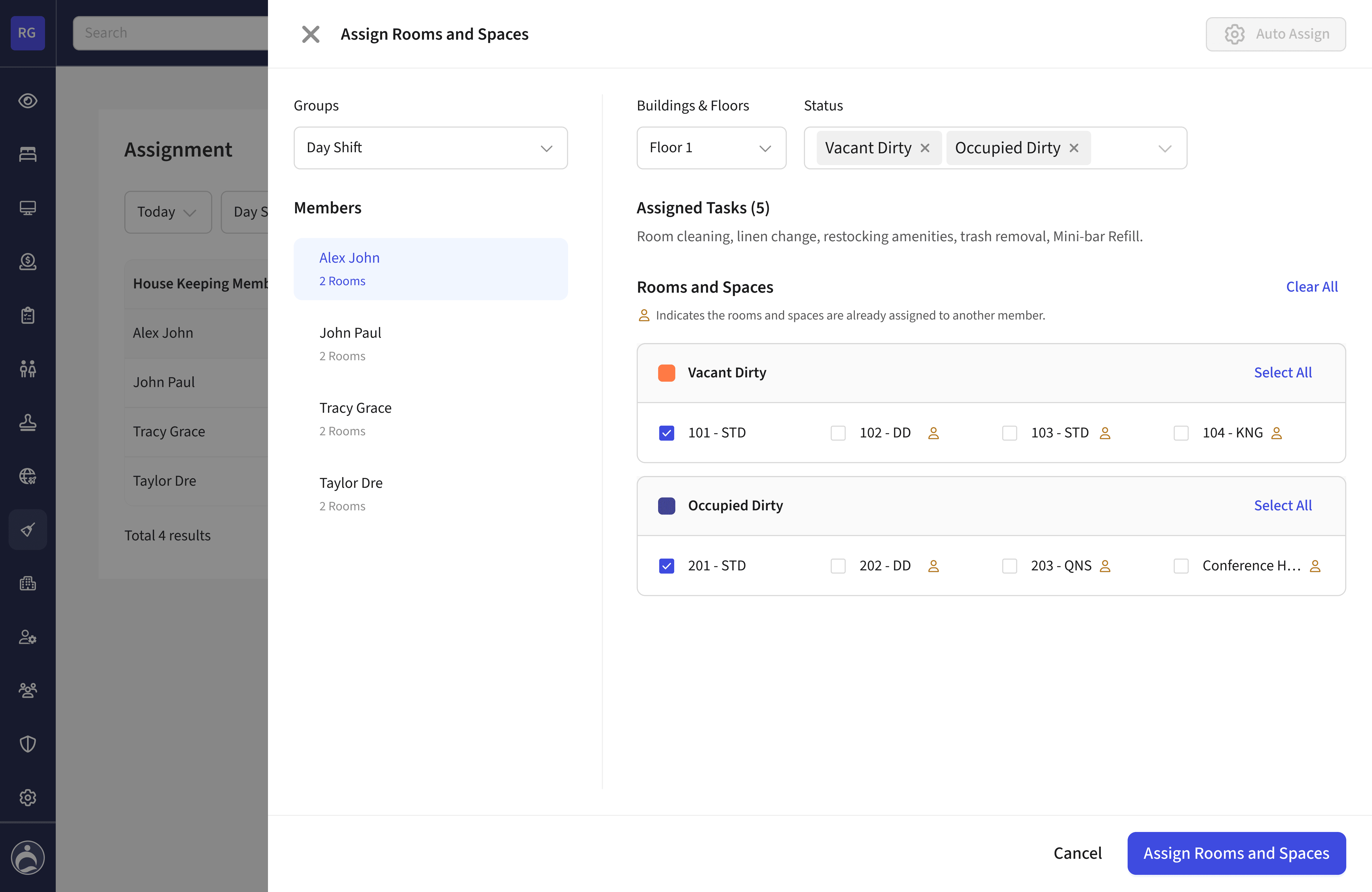
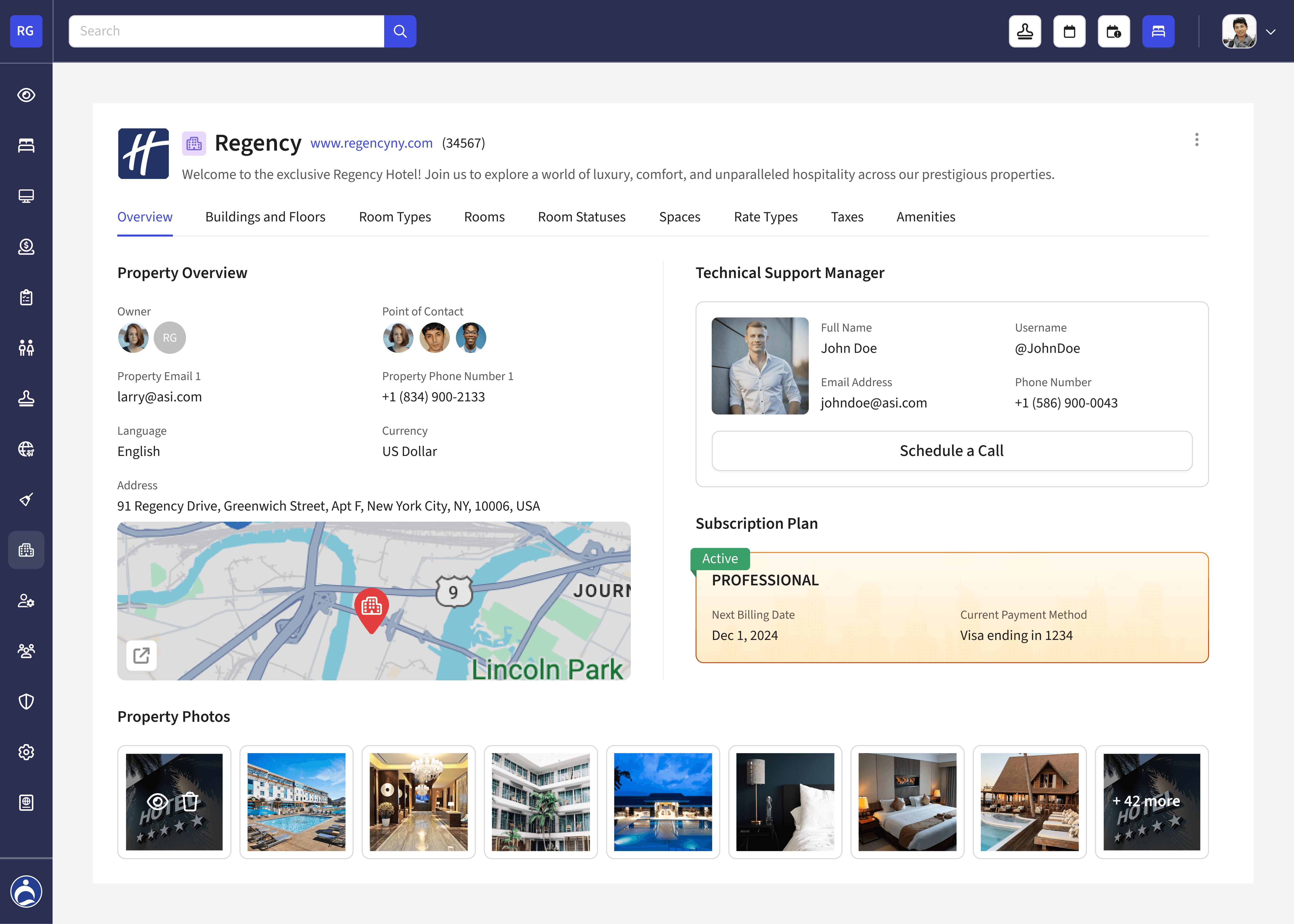
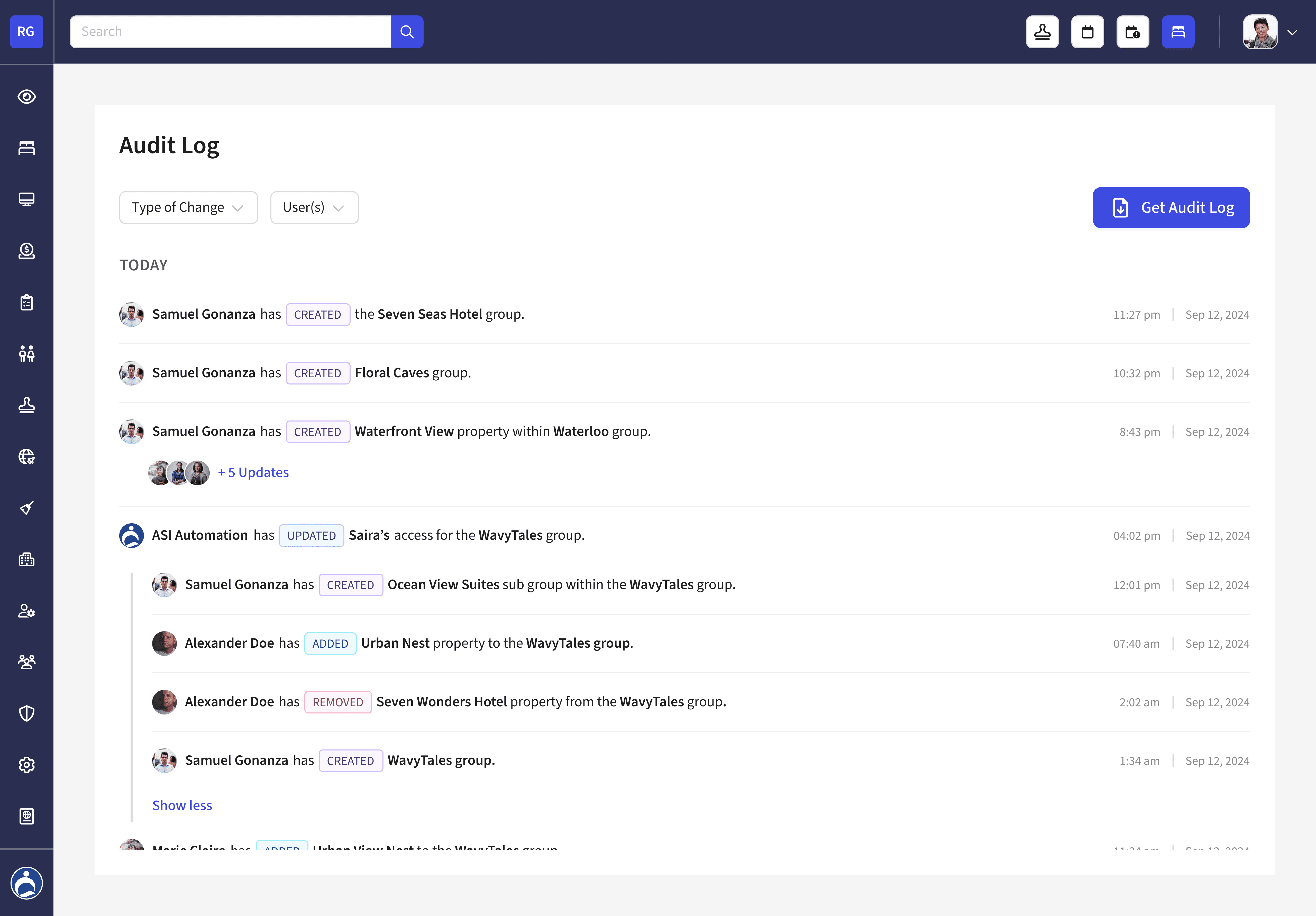
Core screens from the new platform designed for improved clarity, efficiency, and scalability.

NEXT STEPS
We are currently scaling the product to reach more users while focusing on data-informed enhancements. Our upcoming release cycles will focus on five key experience areas:
Events Management: Streamlining group bookings and venue logistics.
Guest Communication: Integrating direct messaging and automated guest touch points.
Third-Party Integrations: Expanding the ecosystem for smart locks and loyalty apps.
Help University: Building an in-app learning center to further reduce onboarding time.
Live Agent Support: Implementing real-time assistance within the PMS dashboard.
💡 WINNING MOMENTS & LESSONS LEARNED
Driving Efficiency Through Automation: By solving the "Manual Overload" issue where 78% of users were stuck in spreadsheets, I successfully transitioned the product from a legacy tool to a modern automation engine. Presenting these workflows at AAHOACON 24 & 25 was a major win, as existing customers confirmed the redesign finally solved their biggest operational pain points.
Mastering Scalability & Leadership: Transitioning from the sole designer to leading a team of 6 taught me how to scale design systems without losing quality. I learned to balance high-level innovation with a strict MVP focus, ensuring we revamped 12 core experiences while staying on schedule for a cloud-based market launch.
Reducing Onboarding Friction: To tackle the 1–2 month staff training bottleneck, I prioritized "scoping and prioritization" with stakeholders to simplify the most complex user paths. This taught me the value of identifying low-impact, high-effort work early, allowing the team to focus on features that directly improved user discoverability and scannability.
Strategic Stakeholder Alignment: Navigating the diverse perspectives of PMs, BAs, and developers was essential to modernizing this 26-year legacy platform. I learned that clear communication and structured focus time are the only ways to keep a team aligned and productive, especially when solving for a high-density $1.62 billion market.